Introduction
Great learning experiences don’t happen by accident. Meaningful learning experiences are intentionally crafted with the learner in mind at every step. This collection highlights my approach to instructional design through real-world projects that blend thoughtful strategy, accessible content, and learner-centered technologies.
Each artifact below is designed to solve a specific instructional challenge, whether welcoming new employees into an online training, sparking curiosity with promotional materials, or creating responsive learning environments across hybrid and asynchronous formats.
What You’ll Find
The work samples are organized into the following categories to guide you through the design thinking behind each piece:
- Planning and Preparation: Explore how learner-centered design welcomes participants, places accessibility at the forefront, and clarifies expectations from the start.
- Course Elements: Preview graphics and navigational tools used to make engagement an easy next step.
- Full Sample Course Tour: Preview a sample course built out through the learning management system (LMS) Canvas providing insights into pedagogical choices and design structure.
Feel free to scroll through each artifact below or use the table of content at the top of the page to navigate to specific artifacts.
Planning and Preparation
Hybrid Course Planning
A strong instructional design process begins with intentional planning—especially when designing for multiple modalities.
My approach is learner-centered and data-driven, beginning with a clear analysis of the learners, the context, and the instructional challenge. I use backward design to align measurable learning objectives with engaging content, scaffolded practice, and effective assessments. Collaborating with subject matter experts, I map out a course structure that moves strategically from outcomes to opening. This artifact demonstrates my planning process, guided by my learning philosophy to ensure relevance, accessibility, and meaningful engagement at every step.
Course Announcement Flyer
Sparking interest generates learner engagement.
This course flyer demonstrates my ability to create accessible, visually engaging materials that support instructional goals. I use design principles like visual hierarchy, contrast, and purposeful imagery to communicate key information clearly and effectively. My work reflects a learner-centered approach that makes content both appealing and easy to navigate.
Humanized Homepage
Effective learner engagement starts with a thoughtful introduction.
This resource demonstrates my commitment to meeting learners where they are through minimal and clear design. A humanized homepage can orient new hires to online training. It provides a clear welcome, sets expectations, and guides learners through next steps. This helps facilitators to meet learners where they are and create a smooth onboarding experience.
Courses Elements
Module Overview
Each module should begin with a clear, accessible overview.
A well-designed landing page sets the stage for learning by outlining weekly objectives, key tasks, and expectations. Learners can then navigate content with confidence and clarity. This artifact demonstrates my ability to use desing platforms such as Canva to create clear and engaging course content.
Training Video
Intentional technology integration enhances the learning experience.
Adaptable and self-directed, I’m passionate about exploring new tools to strengthen instructional design. This animation was created using Vyond during an afternoon of hands-on experimentation, demonstrating my ability to quickly learn and apply emerging technologies to create dynamic, learner-centered content. This demonstrates my passion for incorporating meaningful technology and ability to learn new technologies quickly.
ELearning Course Click-Through
The preview below showcases a sample course prototype built from the instructional plan above.
This artifact shares my ability to learn various LMS platforms quickly as well as my ability to design for hybrid learning environments. Designed as a hybrid learning experience, this course incorporates multiple modes of engagement, assessment choice, and opportunities for learner self-reflection. (Note: This click-through is non-narrated.)
Video Project
As a personal project for a close friend’s bridal shower, I created a playful “How Well Do They Know Each Other?” interactive game. I include this artifact to share a bit of my personality and to demonstrate some of my video editing ability. In this game, guests asked the bride-to-be a series of questions, then viewed pre-recorded video responses from the groom-to-be to see how their answers matched (pausing the video after each question to hear from the bride before the groom). This lighthearted project was created purely for the enjoyment of friends and family—an excerpt is included below.
Graphics
Creating visually appealing materials that are accessibly designed for legibility.
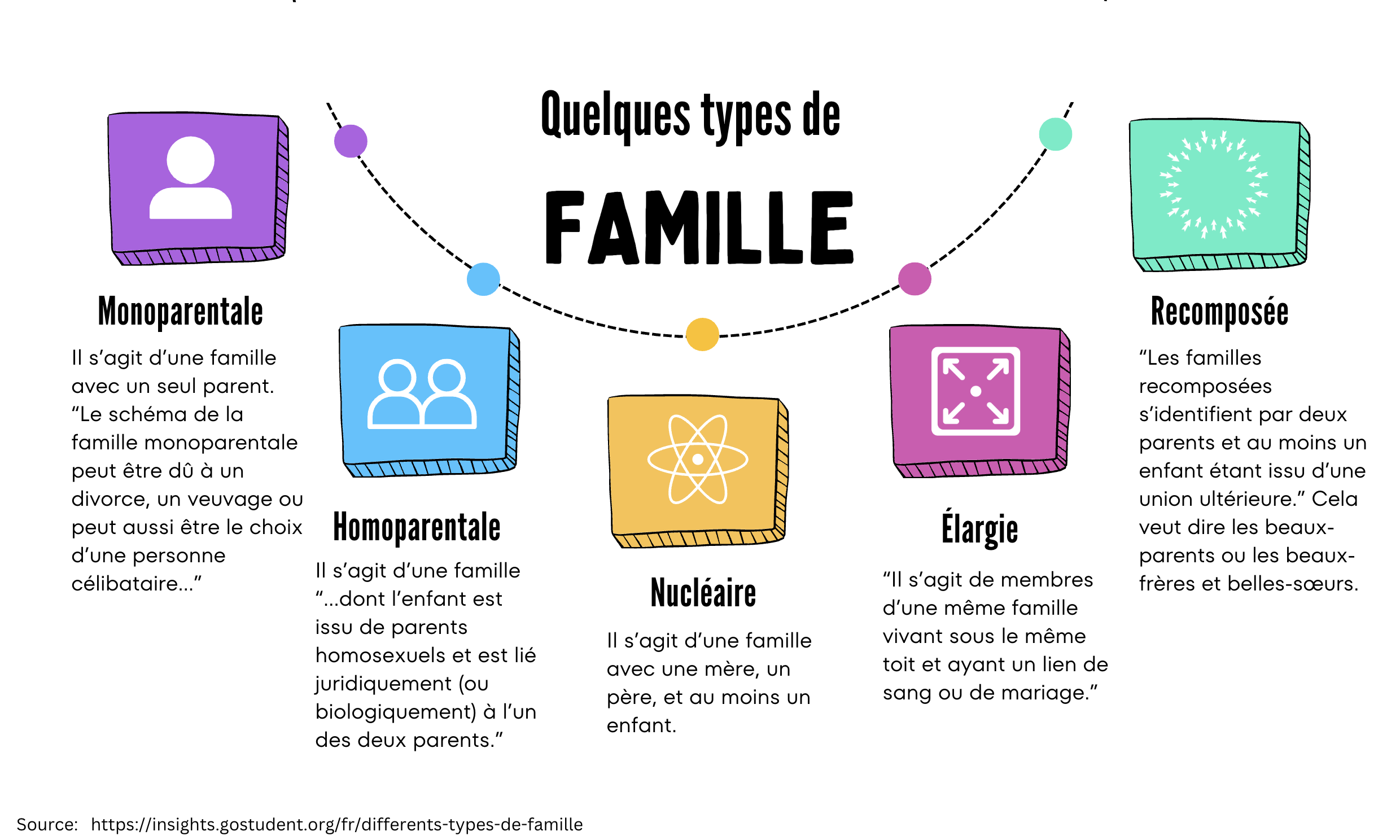
The following are samples of work created for Lingco Language Labs which have been incorporated into modules in their learning management system (LMS). These demonstrate my ability to create varied styles of graphic designs to support learning materials.


Full Sample Course Tour
Design Guided Tour
In this screencast, I take you through my design choices and structure for an asynchronous online training highlighting my commitment to learner-centered experiences founded in adult learning principles. The course explores a customer service training for a fictional company looking to provide strategies for excellence in customer service to front-line hospitality staff.
 Thrasher Designs